
Granite countertops are a stunning and durable addition to any home, known for their unique patterns and natural elegance. However, even the most resilient surfaces can fall victim to stubborn stains that detract from their beauty. Tackling these blemishes requires a delicate yet effective approach to ensure the integrity and finish of your granite remain pristine. At Rock’N Renewal & Restoration LLC, we understand the importance of preserving your investment and are here to guide you through the process of safely removing those tough marks.
Understanding Granite and Stain Types
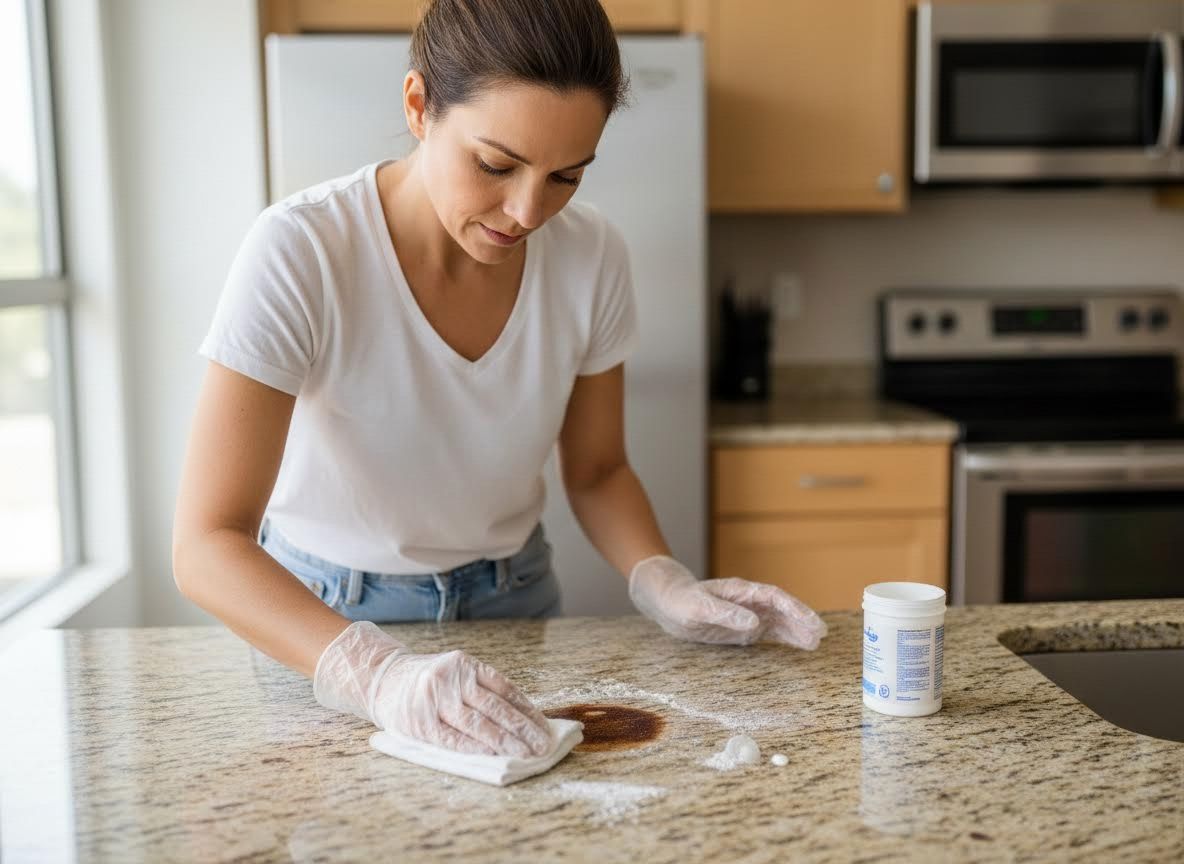
Before attempting any stain removal, it's crucial to understand the nature of granite. As a natural stone, granite is inherently porous, meaning it has tiny capillaries that can absorb liquids, leading to discoloration. Not all stains are created equal; identifying the type of stain is the first step toward successful removal. Common culprits include oil-based stains (grease, cooking oil, cosmetics), organic stains (coffee, tea, food, ink), and water spots or mineral deposits. Each type requires a slightly different treatment, so a careful assessment can prevent unnecessary damage.
Gentle Cleaning Methods for Everyday Stains
For fresh or less severe stains, starting with the gentlest method is always recommended. Begin by blotting the stain immediately with a soft cloth to absorb as much of the offending substance as possible. For most general spills, a mixture of warm water and a few drops of mild dish soap can be effective. Apply the solution with a soft cloth, gently wipe the area, and then rinse thoroughly with clean water before drying with another clean cloth. Avoid harsh abrasive cleaners, acidic substances like vinegar or lemon juice, and scouring pads, as these can etch or dull your granite’s polished surface.
Tackling Stubborn Stains with Poultices
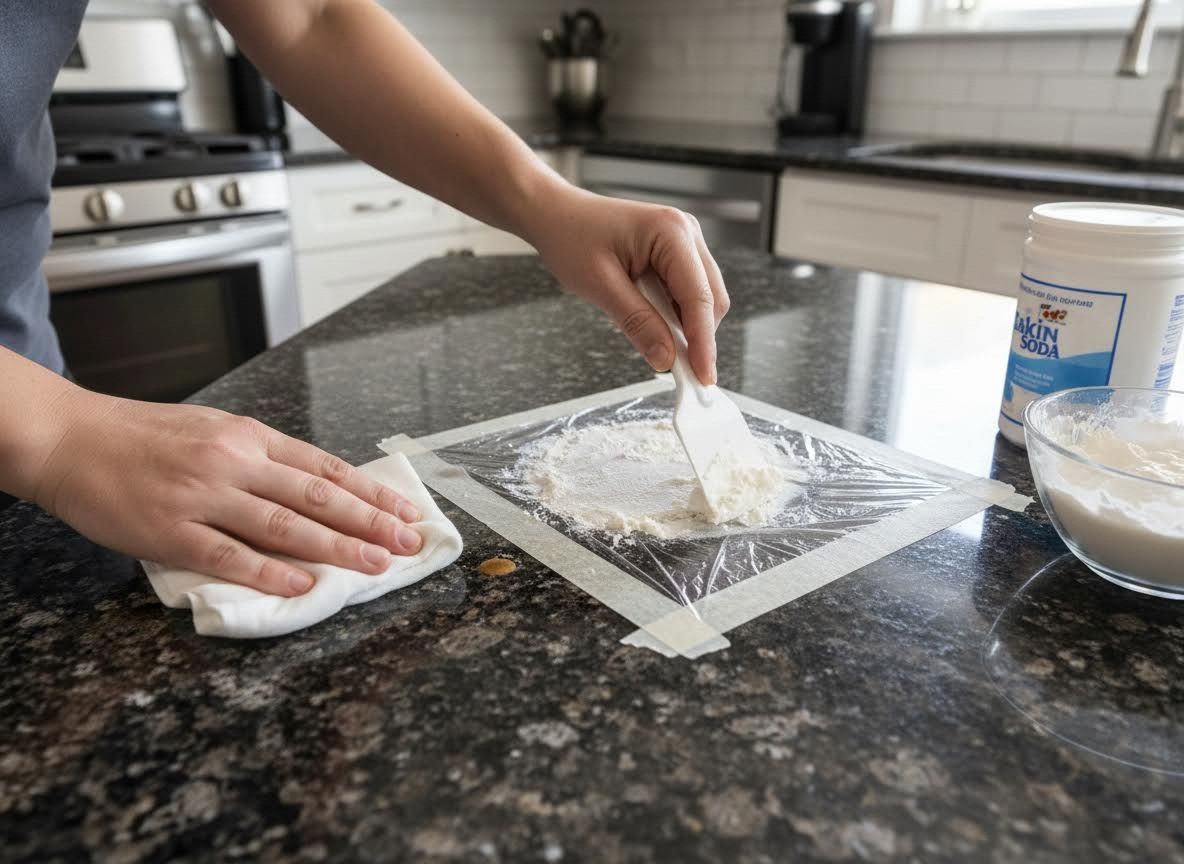
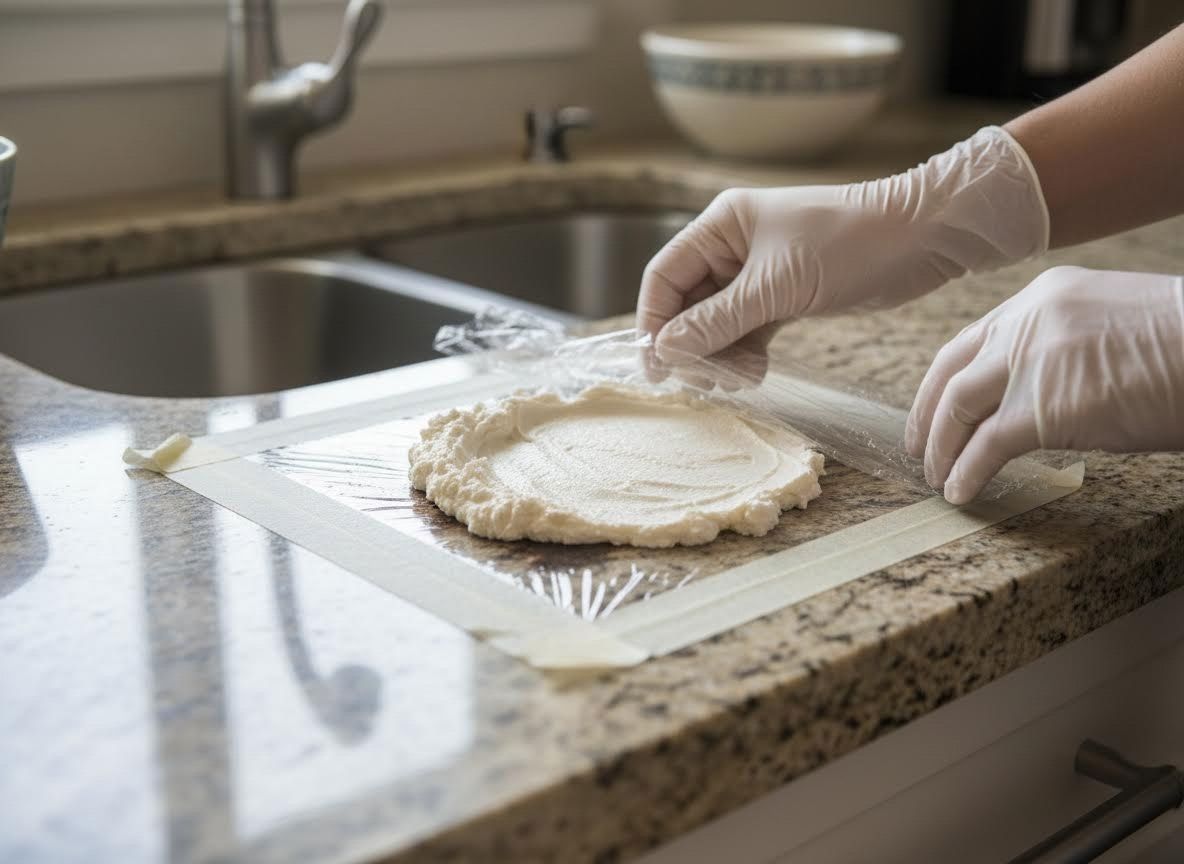
When gentle cleaning isn't enough, a poultice is often the most effective and safest solution for stubborn, absorbed stains. A poultice is a paste-like mixture that slowly draws the stain out of the stone. For oil-based stains, create a thick paste using baking soda and a small amount of water or mineral spirits. For organic or water-based stains, mix baking soda with hydrogen peroxide. Apply a generous layer of the poultice over the stain, ensuring it's about ¼ to ½ inch thick and extends slightly beyond the stain's edges. Cover the poultice with plastic wrap and tape the edges to seal it, then allow it to dry completely, typically for 12 to 24 hours. As it dries, the poultice absorbs the stain from the granite. Once dry, carefully scrape off the hardened paste with a plastic scraper, rinse the area with clean water, and dry thoroughly. Multiple applications may be necessary for deep-set stains.
Prevention and Professional Expertise
While effective stain removal is key, prevention remains your best defense. Regularly sealing your granite countertops creates a barrier that helps prevent liquids from penetrating the stone. Wiping up spills immediately and using cutting boards and trivets are simple habits that significantly prolong the life and beauty of your surfaces. Should you encounter a stain that resists your best efforts, or if you're uncertain about the best course of action, professional help can be invaluable. Experts possess specialized knowledge and tools to address complex issues without compromising your granite.
Maintaining the pristine condition of your granite countertops doesn't have to be a daunting task. By understanding the types of stains you're up against and employing the right removal techniques, you can effectively restore your surfaces without causing harm. For those instances where the challenge is greater than a DIY fix, remember that Rock’N Renewal & Restoration LLC offers professional insights and restoration services to ensure your home always looks its best. To discover more about preserving the longevity and luster of your natural stone surfaces, consider exploring our extensive guide on stone care.