
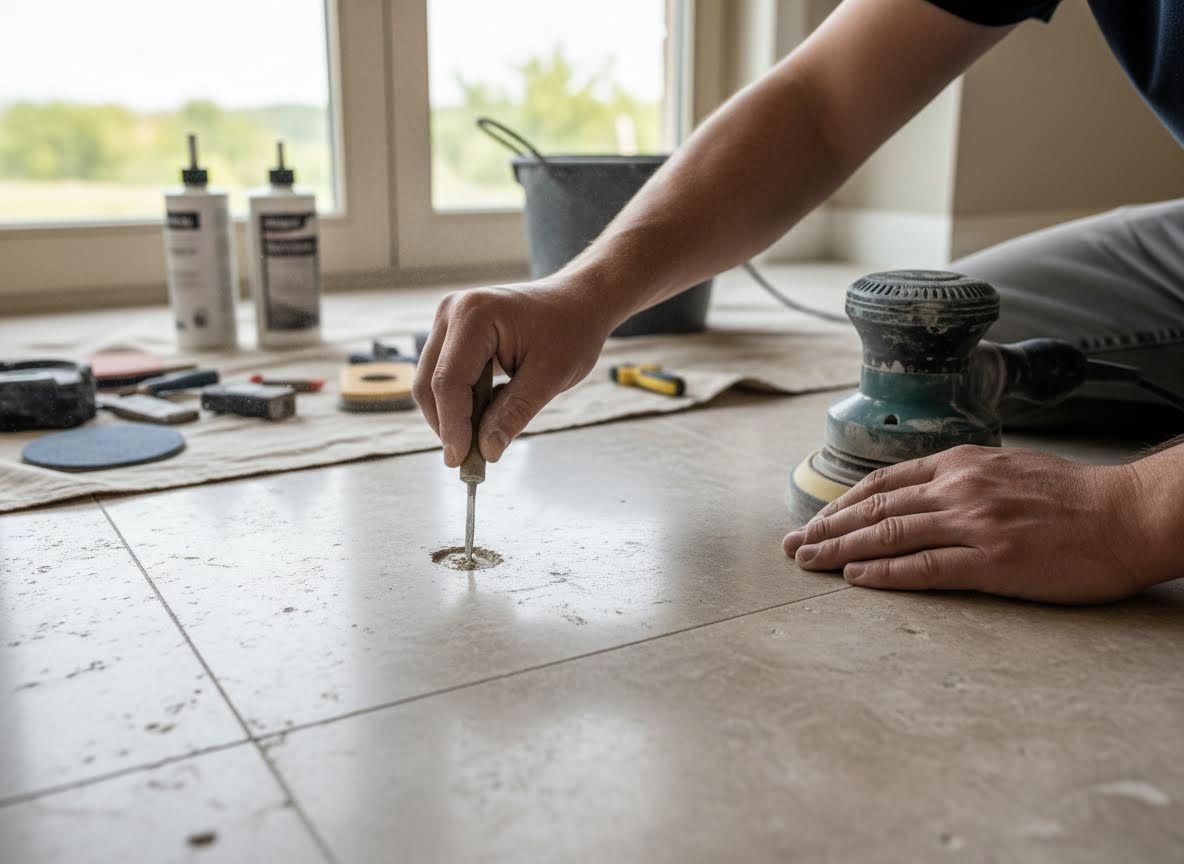
Travertine tile, renowned for its timeless elegance and unique patterns, brings a touch of natural sophistication to any space. However, over time, even the most meticulously maintained travertine can suffer from common wear and tear, developing holes, scratches, and a dull, lackluster appearance. Restoring this beautiful natural stone requires a precise approach and an understanding of its unique characteristics, an expertise that Rock’N Renewal & Restoration LLC proudly offers. This guide will walk you through the essential steps and considerations for reviving your travertine, ensuring it recaptures its original grandeur.
Understanding Travertine's Unique Nature
Travertine is a form of limestone, a porous sedimentary rock characterized by its naturally occurring pits and voids. These charming imperfections are part of its appeal, but they also make it susceptible to damage if not properly cared for. While durable, travertine is softer than granite or quartz, making it more prone to etching from acids and scratching from abrasive materials. Its inherent porosity also means it can absorb spills if not sealed, leading to staining and a diminished sheen. Recognizing these characteristics is the first step in effective restoration.
Repairing Holes and Pitting
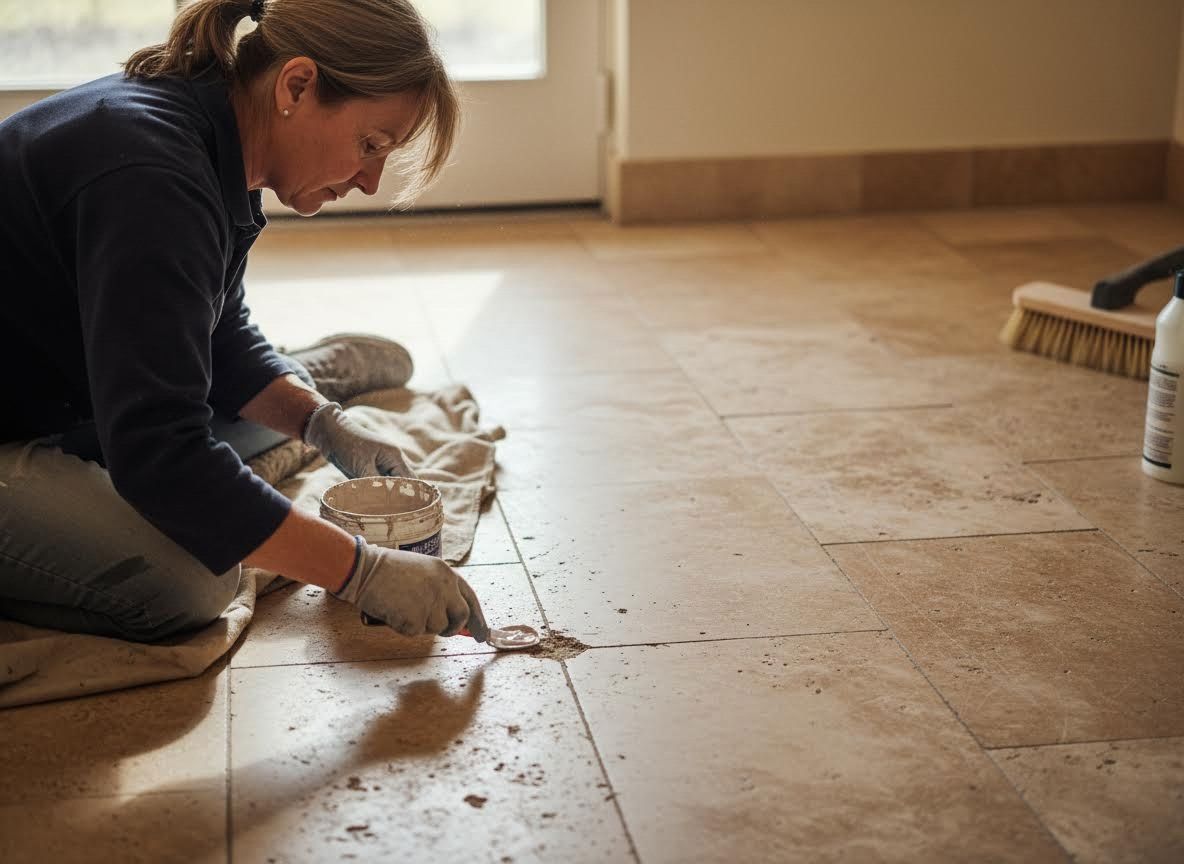
One of the most common issues with travertine is the development or enlargement of its natural holes and pits. These can gather dirt, detract from the surface's smoothness, and even chip further. The primary method for repairing these voids involves carefully filling them with a color-matched epoxy or polyester resin specifically designed for natural stone. Professional technicians meticulously mix the filler to achieve a color that blends seamlessly with your tile, then carefully apply it to the holes. Once cured, the filled areas are honed and polished to match the surrounding surface, creating a uniform and smooth finish that restores both aesthetics and integrity.
Addressing Scratches and Etches
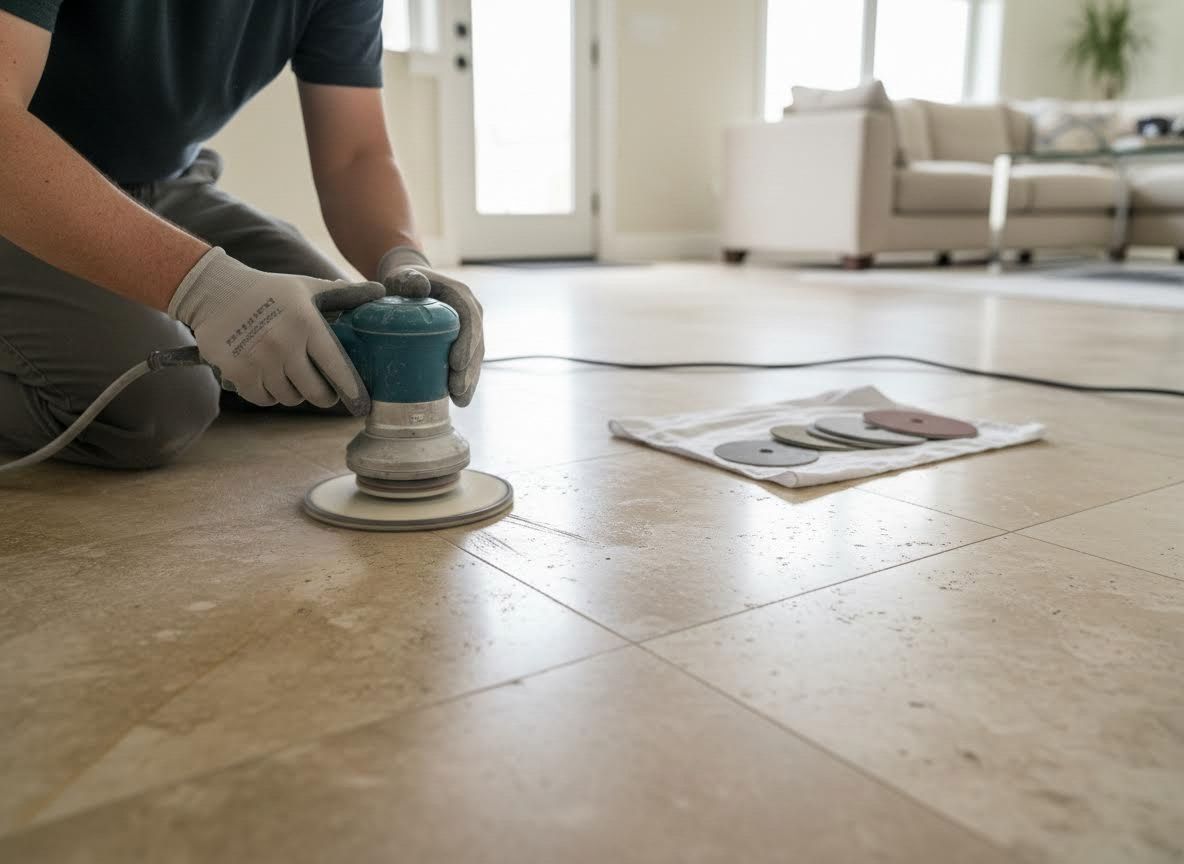
Scratches and etches can significantly mar the beauty of travertine, turning a once vibrant surface dull and worn. The approach to fixing these depends on their depth and severity. For minor surface scratches, a professional honing process using specialized abrasive pads can effectively remove the damaged layer and create a smooth, even texture. Deeper scratches may require more aggressive grinding before honing to ensure complete removal. Etching, caused by acidic substances dissolving the stone's surface, also necessitates honing to remove the dull, rough area and restore a uniform finish. Following honing, the stone is polished to bring back its desired shine, whether matte, satin, or high-gloss.
Restoring Luster and Protective Sealing
After repairs and scratch removal, the final stage involves restoring the travertine's natural luster and providing essential protection. Professional polishing uses fine-grit abrasive compounds and polishing pads to progressively smooth the stone's surface to the desired sheen. This process not only enhances the aesthetic appeal but also compacts the stone's pores, making it less susceptible to future damage. Following polishing, applying a high-quality impregnating sealer is crucial. This sealer penetrates the stone, forming a barrier within its pores to repel water and oil-based stains without altering its natural appearance. Regular sealing is vital to maintain the stone’s beauty and simplify routine cleaning.
Reviving your travertine tile from holes, scratches, and dullness is not merely about aesthetic improvement; it's an investment in the longevity and value of your property. With the right techniques and professional care, your travertine can regain its original splendor, serving as a testament to timeless elegance for years to come. Rock’N Renewal & Restoration LLC understands the intricate needs of natural stone and offers tailored solutions to bring out its best. To learn more about maintaining and restoring the beauty of your natural stone surfaces, consider exploring our comprehensive range of services and expert advice.