
Natural stone surfaces like marble, granite, travertine, and limestone bring an unmatched level of elegance and sophistication to any property, representing a significant investment in both beauty and value. Preserving their inherent splendor, however, requires a clear understanding of proper maintenance techniques. At Rock’N Renewal & Restoration LLC, we recognize that your stone surfaces are not just decorative elements but integral components of your home's aesthetic, and this guide is designed to empower you with the knowledge to protect and cherish them for years to come.

The Essential "Dos" of Natural Stone Care
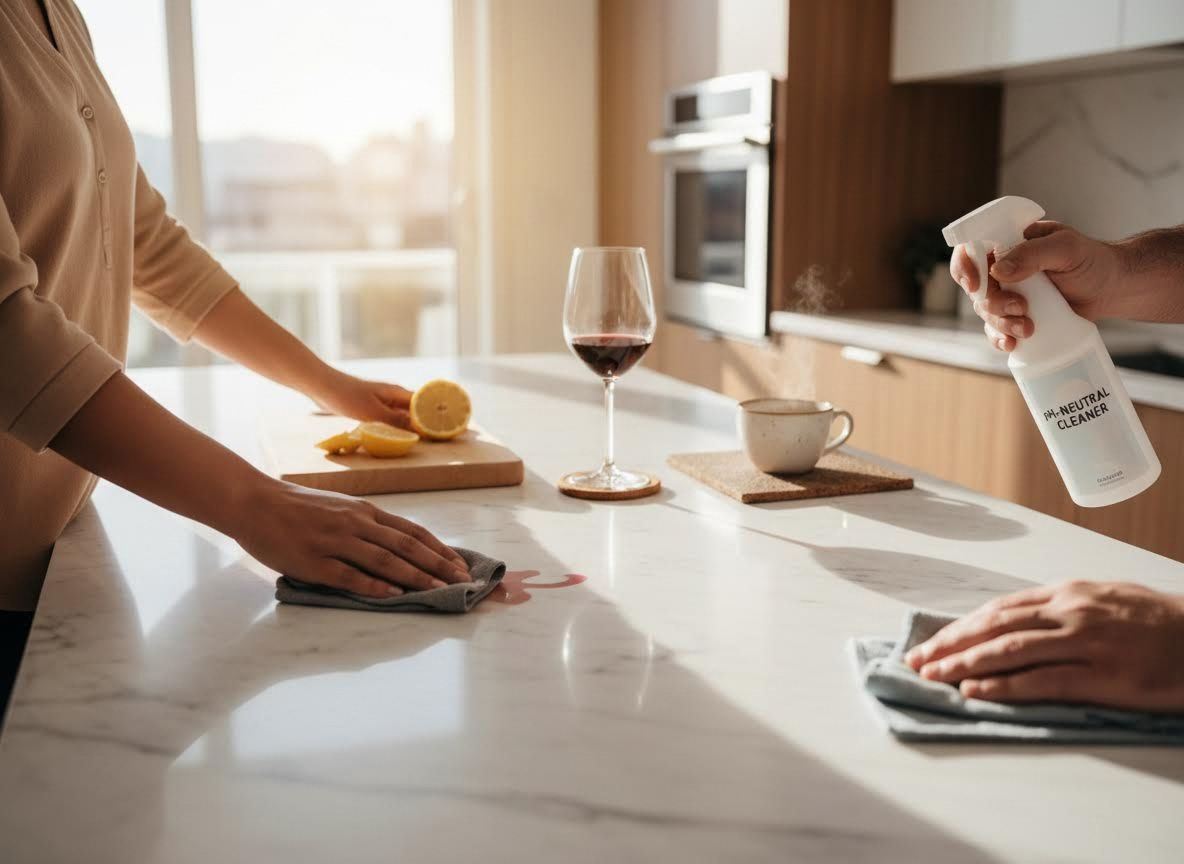
Diligent and consistent care is the cornerstone of maintaining your stone's pristine appearance. Firstly, do clean surfaces regularly using a pH-neutral cleaner specifically formulated for natural stone. Harsh chemicals found in many common household cleaners can strip sealants and damage the stone's surface over time. Secondly, do wipe up spills immediately. Even water can leave mineral deposits, and acidic substances can cause etching almost instantly. Thirdly, do use coasters, placemats, and cutting boards. These simple preventative measures create a barrier against potential damage from glasses, hot dishes, and sharp objects, safeguarding your countertops and tables.
The Crucial "Don'ts" to Avoid Damage
Understanding what not to do is just as important as knowing what you should do. Don't use abrasive cleaners, scouring pads, or steel wool on your natural stone. These can scratch the surface, dull its finish, and leave it vulnerable to further damage. Don't use acidic or alkaline cleaners such as vinegar, lemon juice, ammonia-based cleaners, or bathroom grout cleaners, as these can react with the stone and cause etching, which is a chemical burn, not a stain. Don't neglect sealing your stone. While not all stone types require sealing, porous stones benefit greatly from it, as it helps repel liquids and makes cleanup easier. Failing to seal or reseal at appropriate intervals can lead to staining and moisture absorption.
Understanding and Preventing Etching
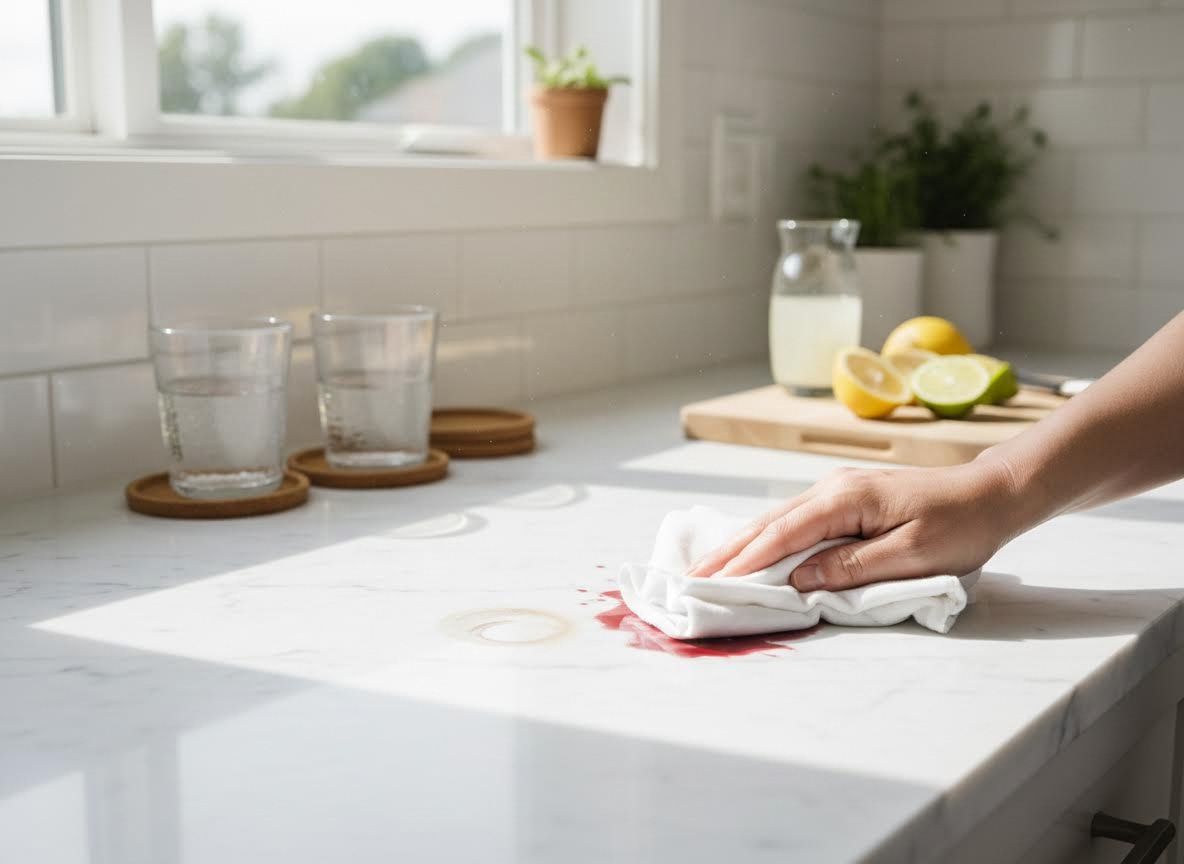
Etching is a common issue with many natural stones, especially those containing calcium carbonate like marble, limestone, and travertine. It is not a stain that sits on the surface, but rather a chemical reaction where acidic substances literally eat away at the stone, dulling its polished finish or creating a lighter, rougher spot on honed surfaces. Common culprits include fruit juices, coffee, wine, soda, vinegar, and certain cleaning products. To prevent etching, always promptly wipe up any spills with a soft cloth. Use coasters under all glasses and bottles, especially those containing acidic beverages. In kitchens, employ cutting boards to keep food acids away from your countertops. Taking these proactive steps is paramount in preserving the integrity and finish of your stone.
When to Seek Professional Expertise
While diligent daily care is essential, some situations warrant the expertise of seasoned professionals. If your stone has already suffered from deep scratches, widespread etching, stubborn stains, or significant dulling, professional restoration services can often bring it back to its original glory. Experts have access to specialized equipment, abrasive compounds, and advanced sealing techniques that are not available to the average homeowner. Additionally, professional sealing services can ensure the correct sealant is applied evenly and effectively, offering maximum protection for your specific stone type and its environment.
Maintaining the enduring beauty of your natural stone surfaces is a commitment that pays dividends in the longevity and aesthetic appeal of your property. By adhering to these essential dos and don'ts, and understanding the nuances of preventing etching, you can safeguard your investment. For those seeking expert guidance on specific stone care challenges or considering professional restoration and sealing services, Rock’N Renewal & Restoration LLC stands ready to provide reliable solutions. Learn more about preserving the elegance of your stone by exploring resources on appropriate cleaners and sealing practices.